


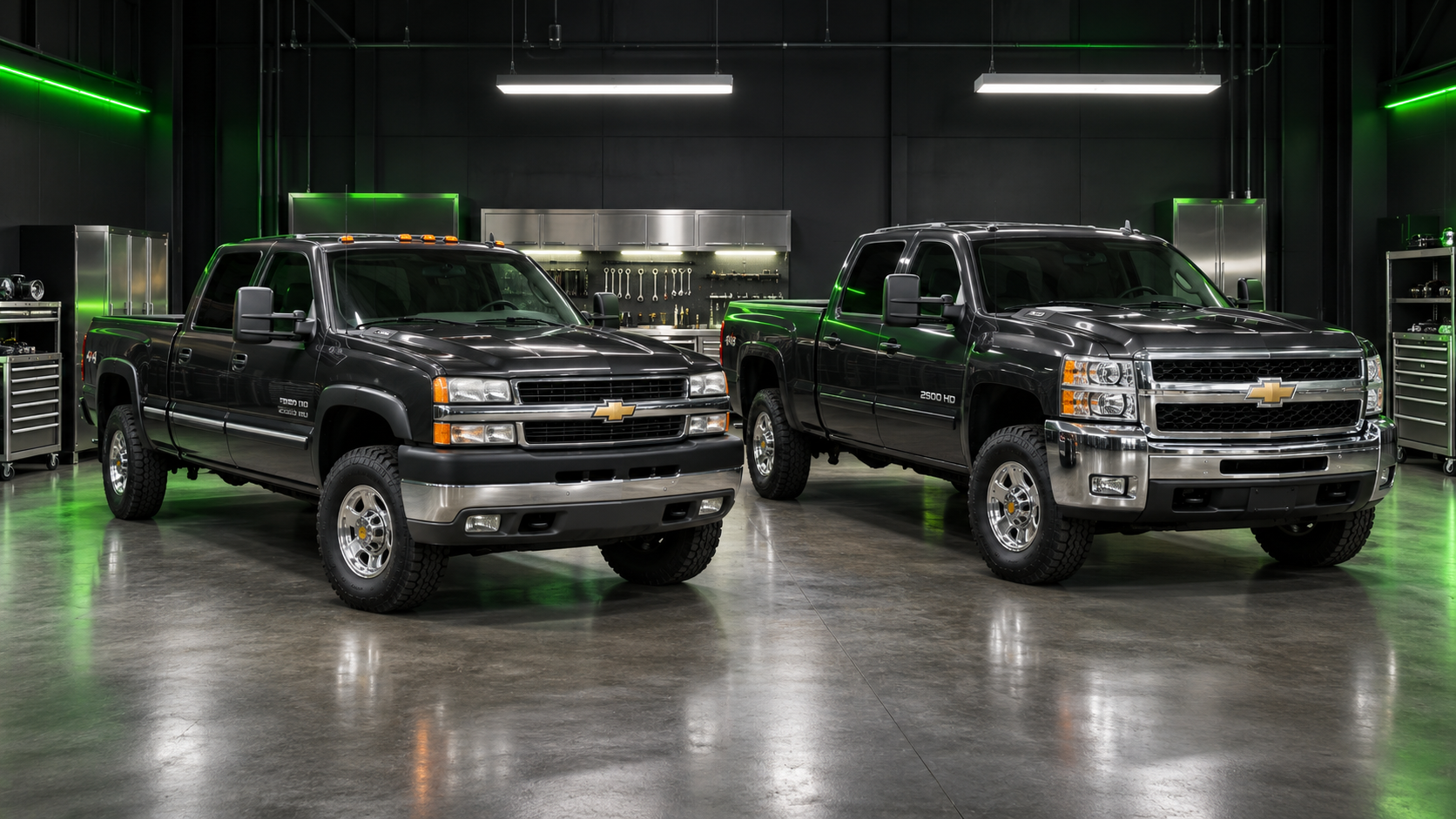

When you compare LBZ vs LMM, do not stop at the engine name. Identify the exact truck, inspect its condition and understand what equipment it is supposed to have.
The video highlights the emissions-system difference in that comparison. It is a useful starting point, but a short video cannot tell you the condition or repair needs of a used truck on a seller’s driveway.
Verify the original and installed configuration
Use the vehicle identification and service information to confirm the application. Then have a shop check what is actually installed. Do not assume an older truck still matches its original configuration.
Ask about replacement engines, exhaust changes and calibration changes. Get documentation rather than relying on a phrase like “all the usual upgrades.”
Inspect the emissions system instead of avoiding it
A truck with required equipment removed is not a shortcut to a dependable purchase. Have the system assessed for faults and altered components. Include necessary corrective work in the buying decision.
Keep required emissions controls functional. This comparison does not recommend a delete, bypass or a calibration that hides missing equipment.
Compare ownership costs honestly
- Purchase price and inspection cost.
- Confirmed repairs and overdue service.
- Fuel-system and cooling-system condition.
- Chassis, steering and driveline wear.
- Documentation for modifications.
- Time the truck may need to spend in a shop.
Do the same inspection on both candidates. It is not useful to compare one truck’s complete repair estimate against another seller’s promise that nothing is wrong.
Buy for the work you need done
Check the vehicle’s actual towing and payload ratings, not an engine’s reputation. Consider whether you need a daily driver, a tow vehicle or a project. A project-priced truck can be the wrong choice when you need it working tomorrow.
My approach is simple: understand the configuration, verify the condition, and budget for the whole truck. The best choice is the one supported by records and testing.
Watch the Review Diesel discussion
Watch the source video with Vinny Himes
Common questions
Can I treat an LMM as identical to an LBZ?
No. Verify the specific vehicle and parts application. Similarity is not a fitment guarantee.
Should missing emissions equipment increase the value?
Do not treat it as a benefit. Investigate compliance and the cost of restoring the required equipment.
What makes the comparison useful?
Comparable inspection reports, service records and repair budgets for the actual trucks you are considering.
Need help matching the repair to your truck? Browse Duramax parts and verify the application, configuration, and manufacturer instructions before ordering.