


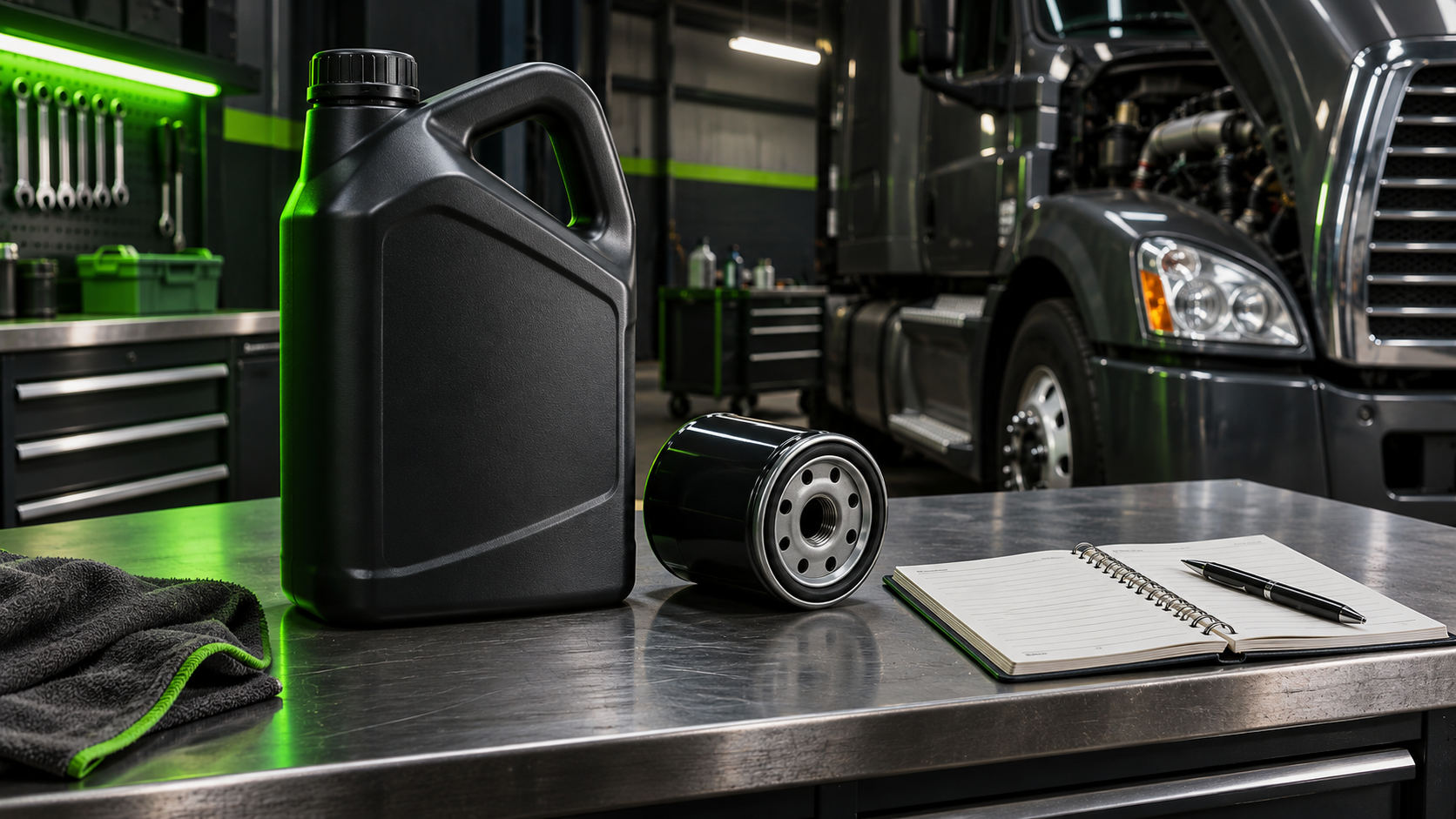

6.0 Powerstroke maintenance works better when it is a routine you can track. A stack of receipts and a simple service log are worth more than trying to remember what you changed last spring.
In the video, I talk through my own approach to caring for these trucks. Treat that as a shop conversation. Your exact schedule needs to come from the correct owner supplement, the installed components, and the way you use the truck.
Start with what is known
Write down the vehicle year, engine, mileage and service dates. List any major replacement components. If you recently bought the truck, separate documented work from the seller’s recollection. Unknown history is a reason to inspect and plan, not a reason to guess.
Next, use the correct maintenance schedule to identify what is due. Heavy towing, extended idling and other operating conditions can change the applicable requirements. Check the relevant schedule instead of copying an interval from a different truck.
Keep the log simple
- Engine oil: date, mileage, specification and filter used.
- Fuel service: filters, seals and any contamination findings.
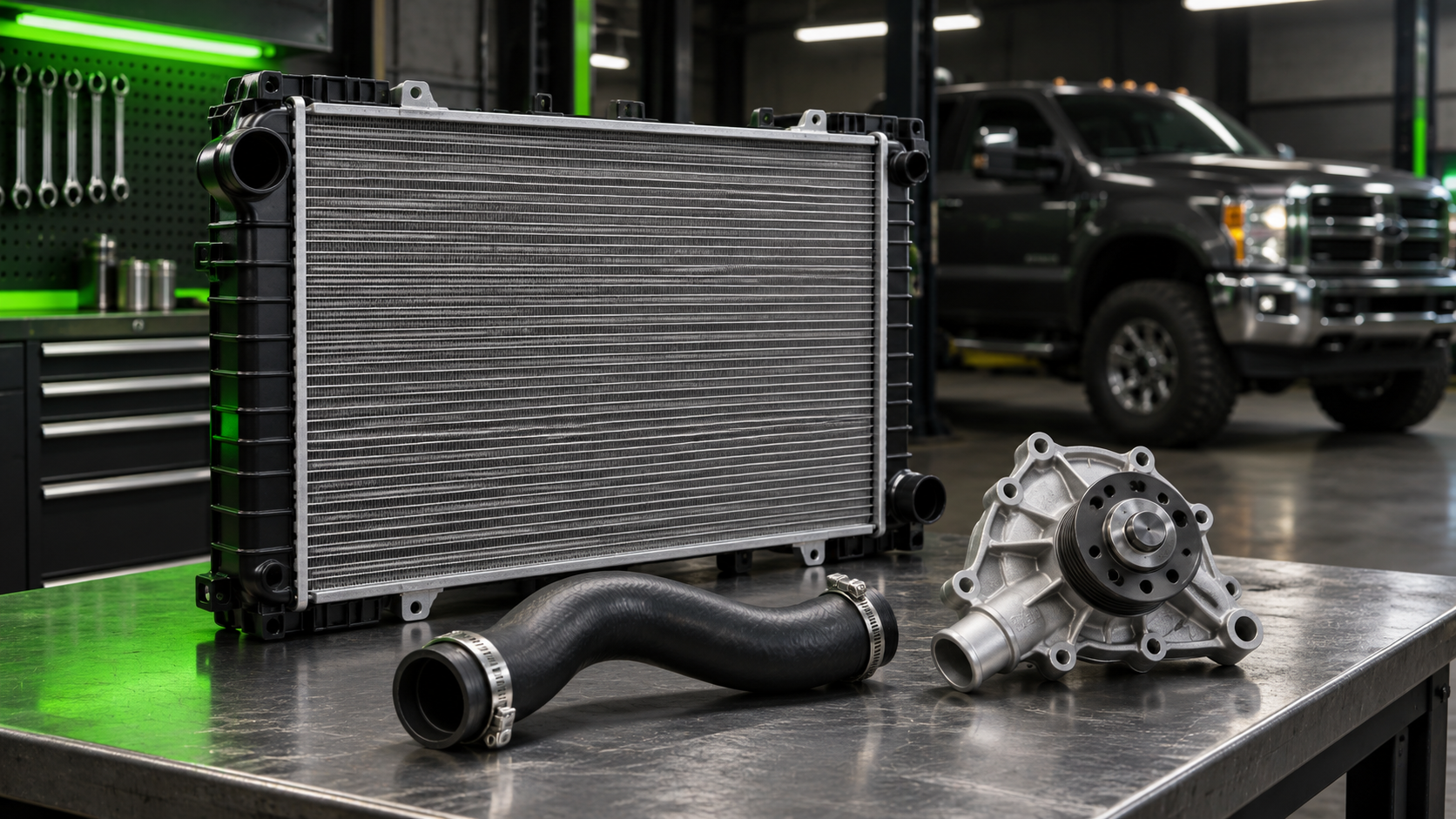
- Cooling system: coolant specification, inspection and service.
- Drivetrain: transmission, axles and transfer case where equipped.
- Electrical system: battery tests, terminal repairs and starting concerns.
- Follow-up: the next due service and unresolved observations.
You do not need a complicated app. A notebook or a shared document works if you actually keep it current. Save the part numbers too, but confirm them again if the truck’s configuration changes.
Do not turn every service into an upgrade
Maintenance is about keeping the truck dependable. A worn hose needs the right repair. A warning light needs diagnosis. Neither automatically means the truck needs a bigger turbo or different injectors.
Ask the shop to separate required repairs, upcoming maintenance and optional changes on the estimate. That makes it easier to spend your budget on what keeps the truck working first.
Review the plan before a long trip
Leave time between service and departure to check the work. Look for leaks, confirm normal operation and address unresolved warnings. Discovering a problem at home is much easier than finding it with a trailer behind you.
Keep required emissions systems operational as part of that plan. Maintenance should preserve the truck’s intended function, not hide faults or bypass equipment.
Watch the Review Diesel discussion
Watch the source video with Vinny Himes
Common questions
Should every 6.0L follow the same mileage interval?
No. Use the correct vehicle guidance and operating-condition schedule. Personal preferences in a video are not a universal factory requirement.
What if I have no service records?
Have the truck inspected and build a documented maintenance plan. Do not assume every fluid was changed because it looks clean.
Should I keep old repair invoices?
Yes. Test results, part numbers and service dates help future diagnosis and show what has actually been done.
Need help matching the repair to your truck? Browse Powerstroke parts and verify the application, configuration, and manufacturer instructions before ordering.