


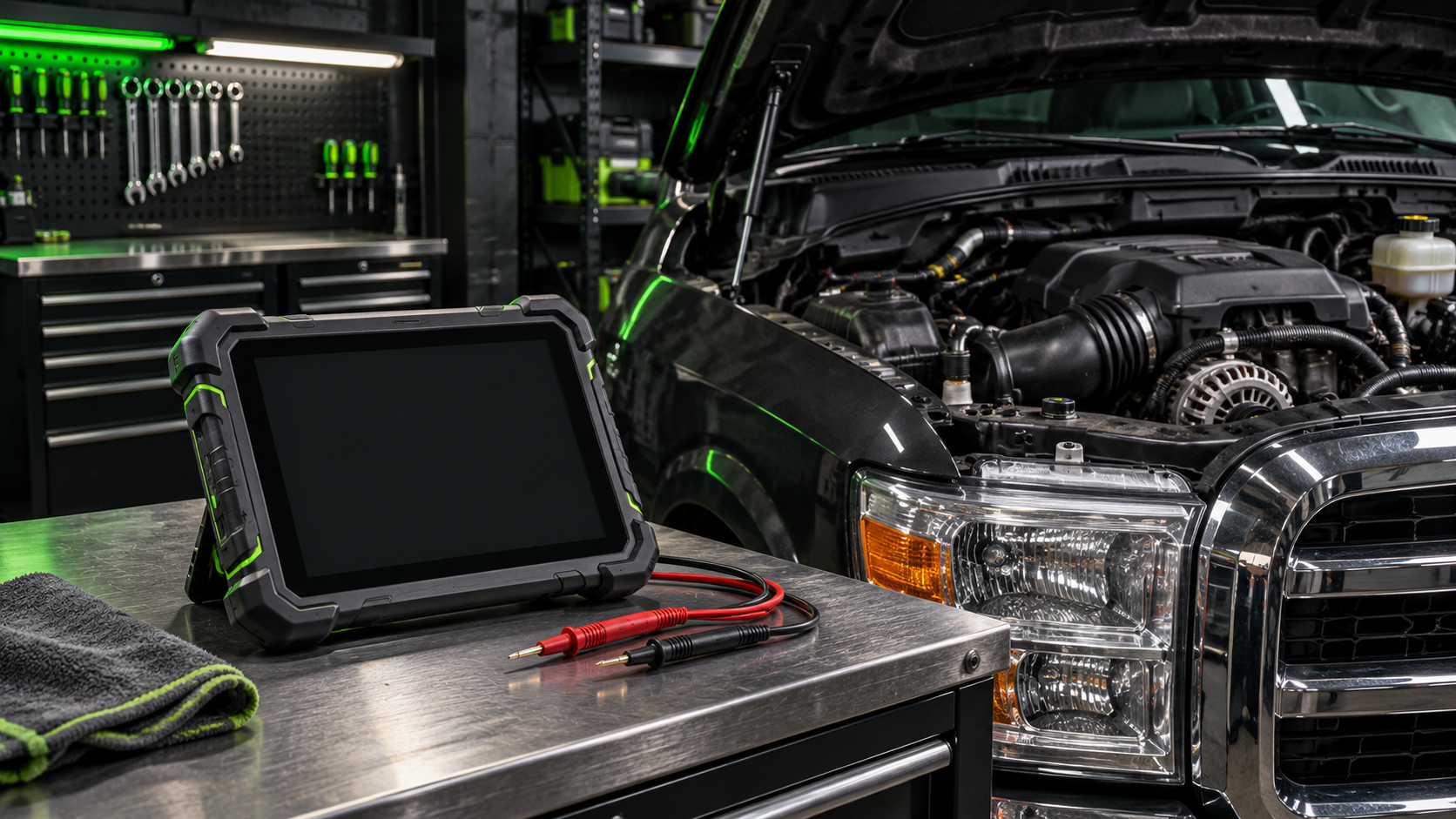

6.0 Powerstroke head gasket symptoms can overlap with other cooling-system problems. Coolant residue around the reservoir deserves attention, but it does not tell you by itself which part failed.
Before you approve a major engine repair, ask a simple question: what testing proves it is the head gasket? That question can save you from paying for an explanation that is really just a guess.
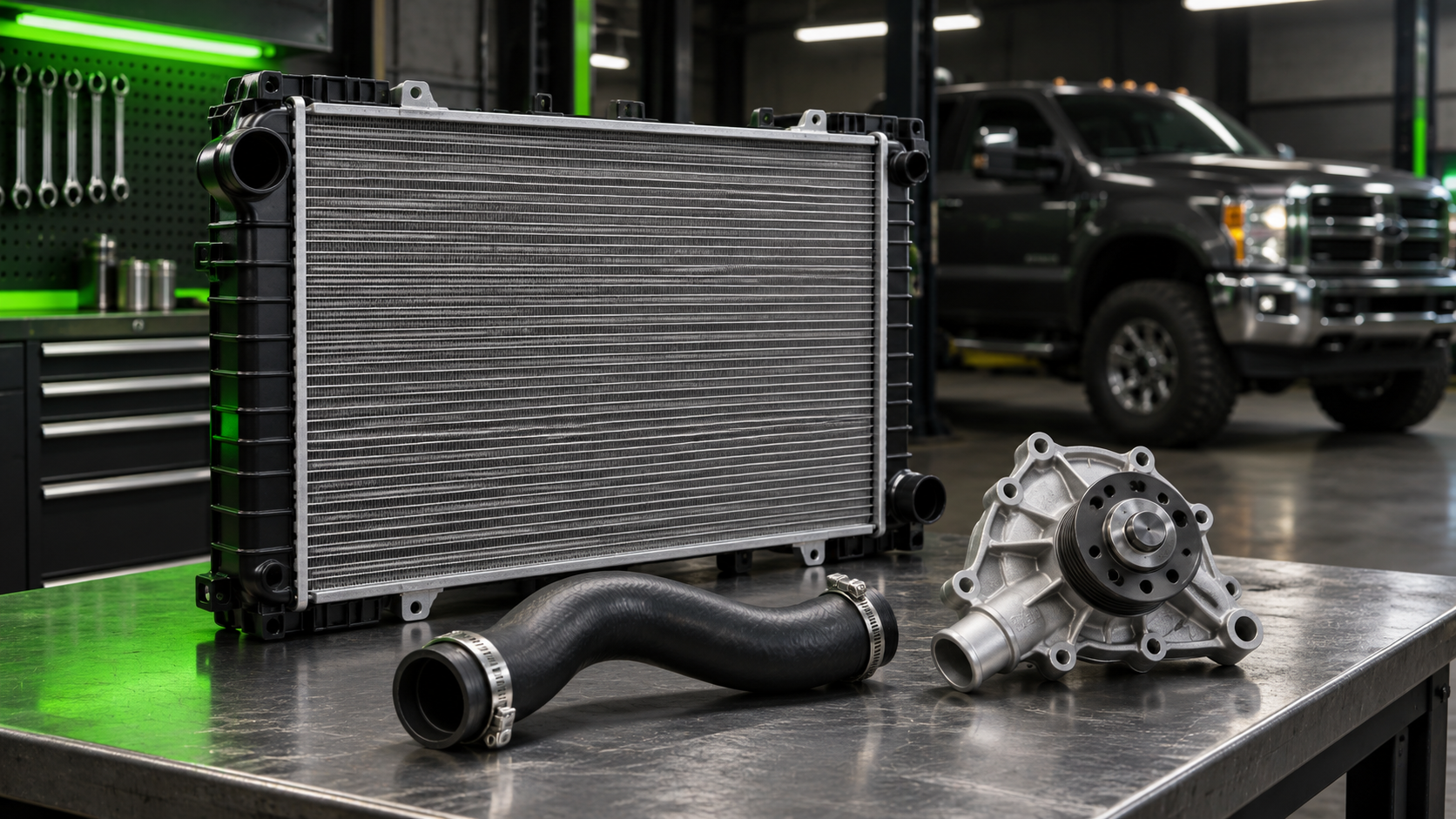
Record what the truck is doing
Note coolant loss, temperature warnings, changes in exhaust appearance, and when the symptom occurs. Include whether the truck is towing, climbing, idling or starting cold. A phone photo of visible residue can help you explain the complaint without trying to recreate an unsafe condition.
Do not keep running the engine to collect more evidence if it overheats or runs abnormally. Stop safely and arrange an inspection. The goal is to identify the fault without turning a repairable problem into a larger one.
Ask for a cooling-system diagnosis
The useful point in the source video is to investigate other leak paths before condemning the head gaskets. A technician should use the correct procedure for the engine and explain the findings. Ask whether external leaks and relevant cooler faults have been evaluated.
A pressure-test result needs interpretation. Ask where the pressure is going, what conditions were used, and how the result supports the proposed repair. You do not need to become the technician; you need an estimate with evidence behind it.
Make the repair scope clear
- Which fault was confirmed, and how?
- What additional inspection will happen during disassembly?
- Which parts and machining services are included?
- What could change the estimate after inspection?
- How will the finished repair be checked?
Do not choose a repair solely from a horsepower promise or a claim that one fastener makes every engine problem disappear. The condition of the engine, proper preparation and correct installation still matter.
Choose dependable operation over shortcuts
If the diagnosis points to an emissions-related component, repair it appropriately. Bypassing that system is not a substitute for finding the leak. Keep the vehicle’s required emissions controls operational.
Also keep the invoice and test findings. If the concern returns, those records give the next inspection a useful starting point. “It was fixed once” is less helpful than knowing exactly what was found and replaced.
Watch the Review Diesel discussion
Watch the source video with Vinny Himes
Common questions
Does coolant around the cap always mean a head gasket failure?
No. It is a symptom that requires diagnosis, not proof of a specific failed part.
Can I keep towing while I investigate coolant loss?
Do not continue using the truck under load when it is overheating or losing coolant unexpectedly. Follow the owner guidance and arrange an inspection.
Are head studs a diagnosis?
No. A parts choice comes after identifying the fault and planning the repair. It does not establish why the truck is losing coolant.
Need help matching the repair to your truck? Browse Powerstroke parts and verify the application, configuration, and manufacturer instructions before ordering.